Maximize Your ROI: The Lifecycle Value of Expert Commercial Refrigeration
Whether you’re upgrading equipment or opening a new site, navigating the design, purchase, and installation of a commercial refrigeration system can be an intimidating process. The equipment is complex, the choices are many, and the financial effects of a poor decision will be noticeable.
In short, while the initial price tag of a high-quality refrigeration setup may be higher, the total cost of ownership (i.e., lifecycle cost) is often much lower. This lifecycle value is driven by crucial factors like energy efficiency, refrigerant cost, equipment durability, and installation timing and costs.
“One of the important elements in terms of design is being able to explain to a customer the first-cost approach vs. the lifecycle cost approach,” says Jeff Halley, director of engineering at Classic Refrigeration.
However, maximizing this value also depends heavily on the decisions made during the planning and building phases. Navigating these choices can be overwhelming without a turnkey expert by your side who can offer a comprehensive perspective so that you get the best overall value.
“Some companies only offer engineering services. Some companies only offer construction. Some only offer service,” says Halley. “Because [Classic Refrigeration offers] all of the items, we bring a different perspective to the customer.”
As Classic designs refrigeration systems for new sites or retrofits, we consider spatial availability, installation costs, project timing, type of equipment, and visual look and feel. We work alongside our customers’ project managers, architects, and owners to ensure the right system fit. “When customers [go to] different companies to do that, there's always a miss that is both time-consuming and expensive. And they don't get the product that works best for them.”
When international grocer Super Irvine, Inc., redesigned its store in Irvine, California, which includes a deli, restaurant, and bakery, they chose Classic based on our consultative approach. “I showed them what I like. They gave me a lot of different pricing options and [what we chose] was more upscale, but still affordable for us,” says Mahta Ariarad, co-owner.
Maintenance and repairs also affect lifecycle costs. If your refrigeration partner lacks the expertise to maintain and repair your modern equipment, it may take several visits to conduct repairs, leaving you with large repair bills. If they aren’t responsive in emergencies, you can lose expensive inventory and lose sales due to the downtime.
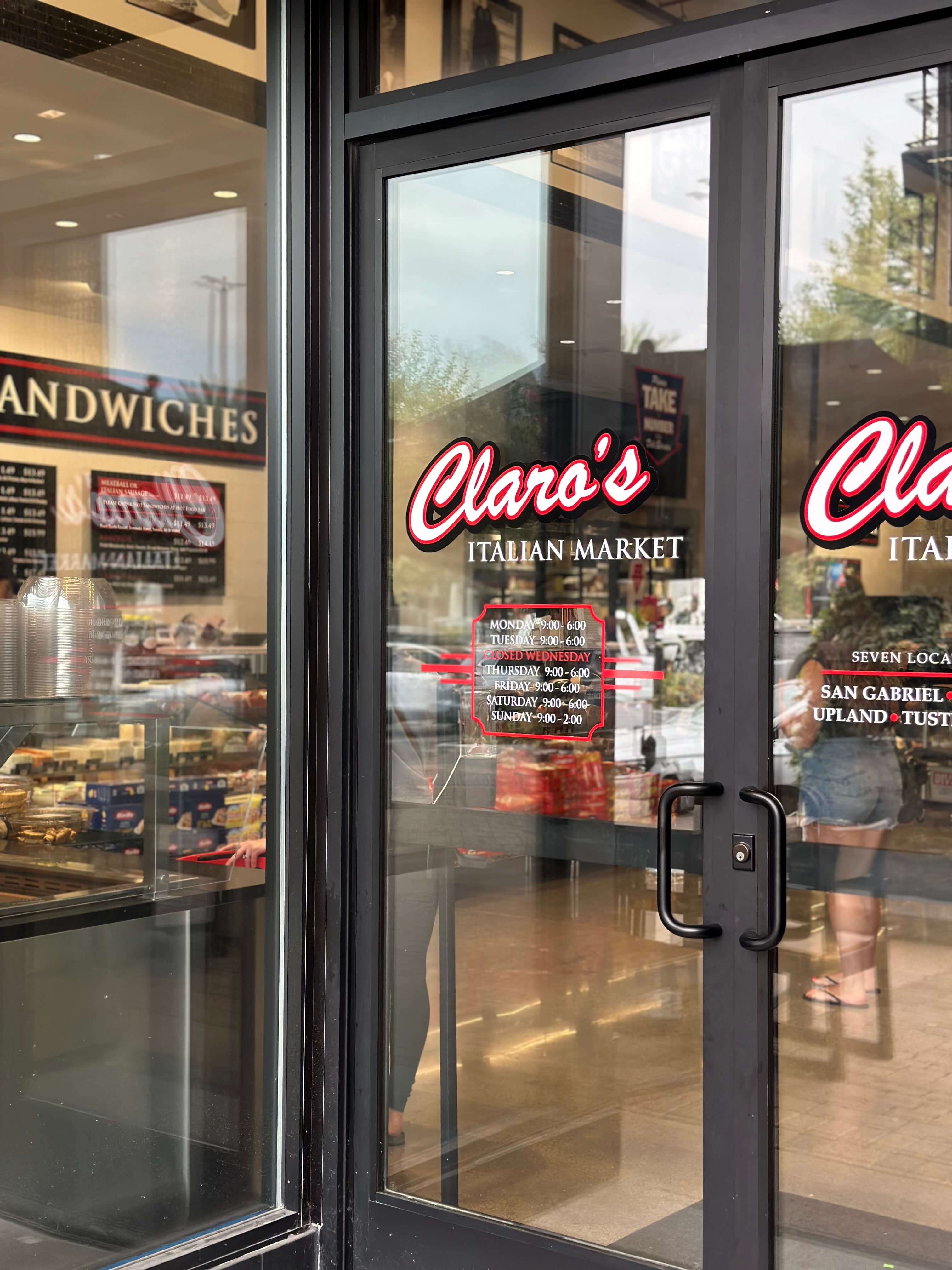
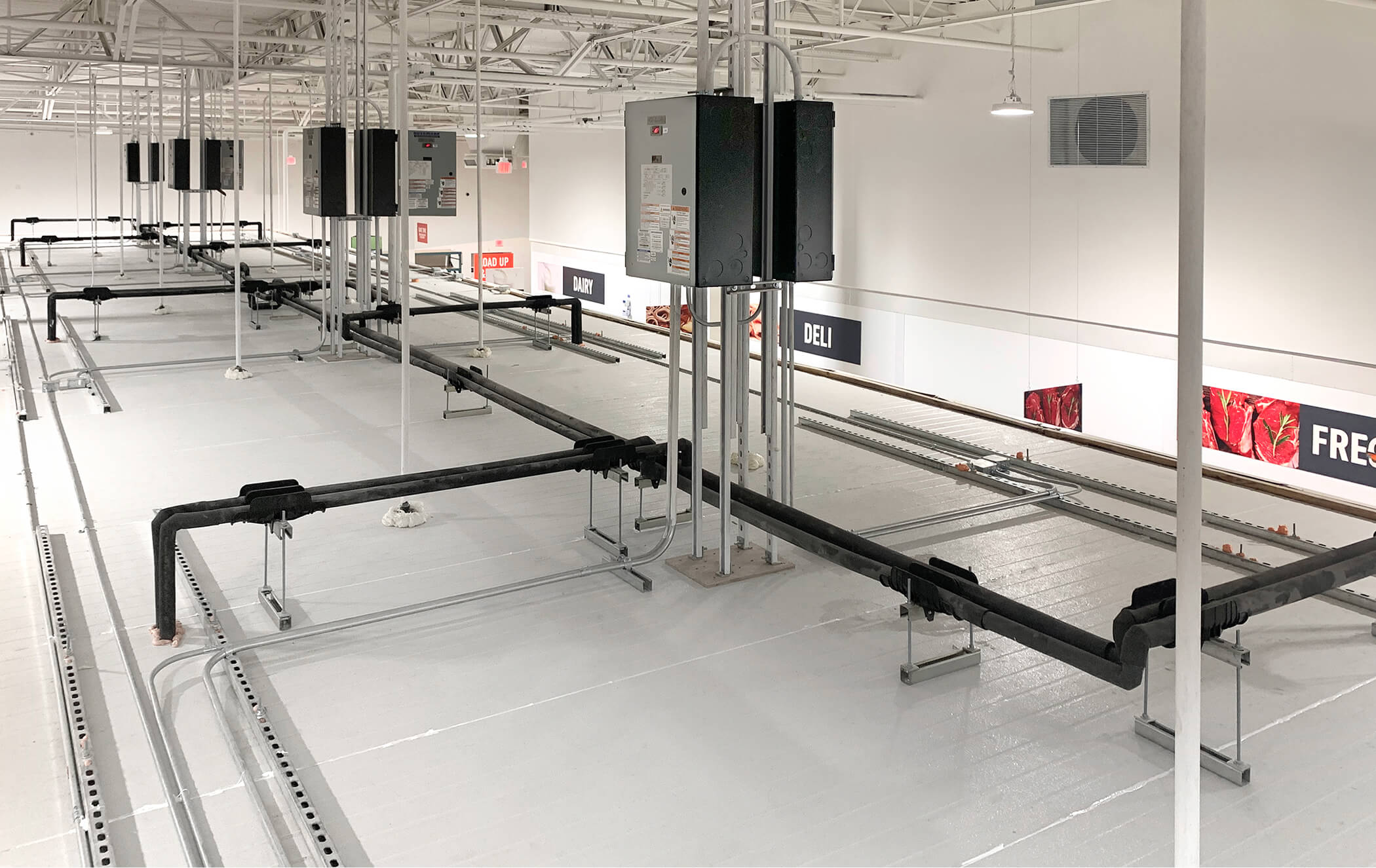
Another customer, the family-run specialty market chain Claro’s, found that Classic’s services have saved them a great deal of money over time. Retrofitting stores with CO2 units has saved thousands in energy costs, and the newer systems — along with Classic Refrigeration’s services – help Claro’s avoid equipment failures, spoiled inventory, and sales downtime.
“You put money in in the beginning and, in the long run, it saves you money — a tremendous amount of money,” says CFO Rosemarie Lippman. “And it creates more sales for us by making our products available.”
How to get the most value from refrigeration systems
While it can be tempting to choose the lowest bid when opening a new site or to postpone a retrofit by keeping HFC systems a few more years, evaluating all of your options with the right partner can help you save on lifecycle costs and avoid expensive downtime and repairs.
Follow this advice for taking a more thorough look at your choices.
- Look beyond the sticker price. When reviewing options, ask your partner to explain "first cost" vs. "lifecycle cost.” Have they seen significant issues with certain equipment, such as frequent breakdowns and higher energy consumption? Do they have advice on particular equipment that meets your operational and inventory needs?
- Factor in the rising costs of legacy gases and red tape. While holding onto old equipment might seem thrifty, legacy refrigerants are being phased out. This EPA-driven phase-down makes it costlier and harder to find and replace HFC refrigerants. Additionally, time-consuming red tape is increasing around the operation of HFC units. New energy-efficient CO2 units can also reduce energy bills.
- Seek an all-in-one partner. Splitting your engineering, construction, and service needs across multiple different companies can lead to time-consuming and expensive "misses" and vendor management headaches. A partner who designs and services your system has a vested interest in making sure you’re happy with its performance and value.
- Set up proactive maintenance. A partner who values your investment will also help you establish a proactive preventative maintenance program. This prevents the stress of Band-Aid fixes and extends the life of your equipment.
- Ask about rebates and grants: High upfront costs for environmentally friendly equipment can often be offset. A knowledgeable partner can help you navigate complex state incentives, such as California's FRIPP grants, to help cover the costs of retrofitting to low-GWP systems like CO2.
As you look to the future, remember that a strategic upfront investment with the right expert partner will pay for itself through years of reliability, energy efficiency, and reduced maintenance headaches. To learn more about Classic Refrigeration and how to get the most value from your refrigeration investment, get in touch.